 Pin It
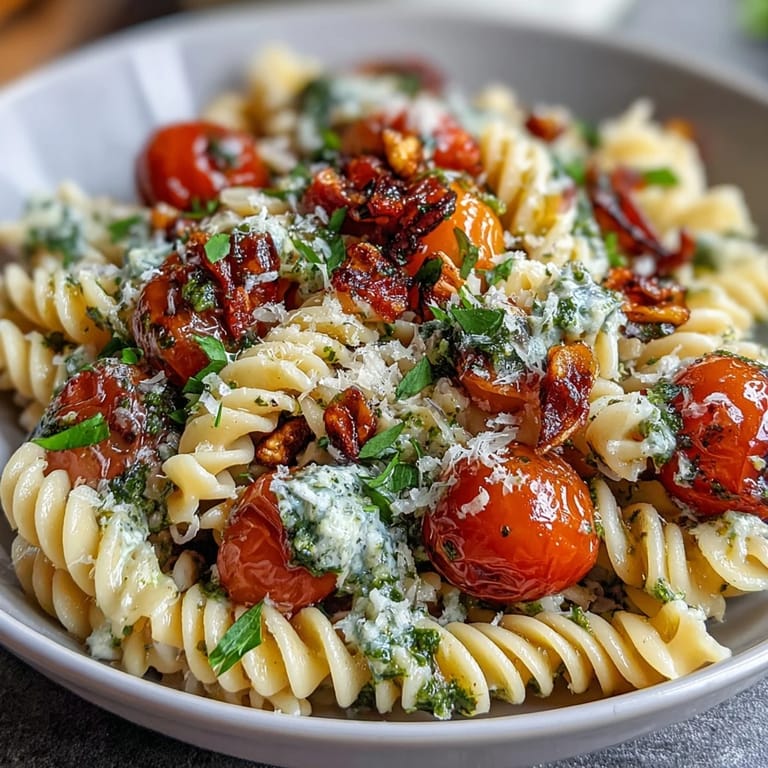
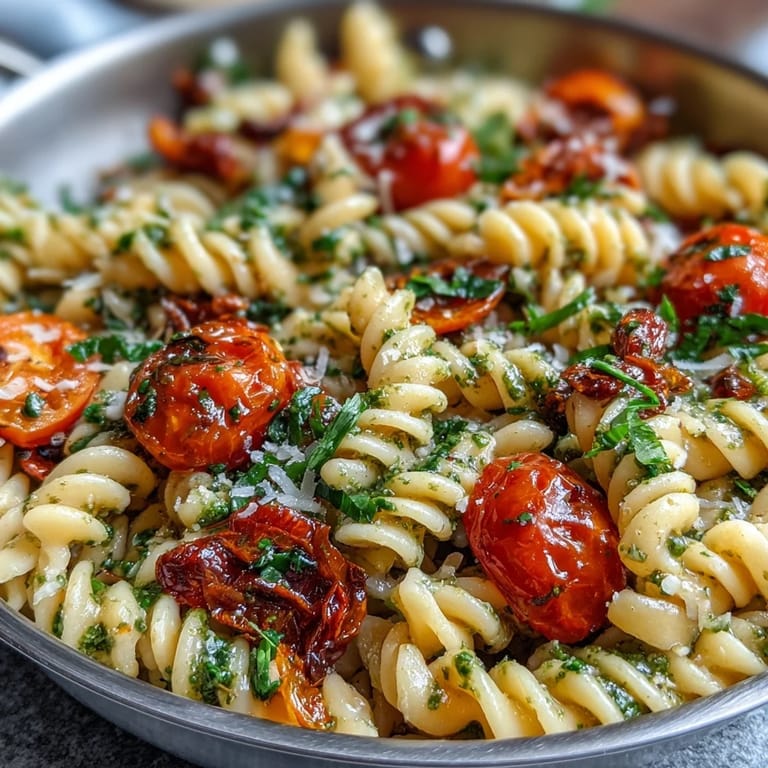
 My neighbor Maria showed up at my door one July afternoon with a bunch of basil so fragrant it seemed to fill the entire kitchen. She'd grown too much, she said, and suggested I make something that would actually showcase it rather than letting it wilt in a vase. That's when this pasta salad came to life—not from a recipe, but from watching her toss warm pasta with vibrant green pesto like she'd done it a thousand times before. The way the basil clung to each piece of pasta, the burst of cherry tomatoes, the way it all came together in under half an hour—it felt like I'd unlocked something simple but profound.
Last summer, I brought this to a potluck where someone had already brought three different mayo-based dishes, and I watched people literally bypass them to pile this onto their plates. Watching a friend close her eyes after the first bite, just standing there in the afternoon sun, made me understand why some dishes become the ones people actually remember. That moment shifted something for me about cooking—it's not about complexity, it's about intention and fresh ingredients that taste like they were meant to be together.
Ingredients
- Short pasta (fusilli, penne, or farfalle), 300 g: The shapes catch pesto like little hands, so avoid long noodles—I learned this the hard way with floppy spaghetti that left the sauce behind.
- Fresh basil leaves, 50 g: Pick them right before you need them if possible, and look for leaves that are vibrant green rather than dark; they'll have better brightness in the finished pesto.
- Pine nuts, 40 g, lightly toasted: Toasting releases oils that make them taste buttery and rich, transforming the whole pesto into something deeper and more complex.
- Garlic clove, 1: Just one, because it's there to whisper in the background, not shout—a whole clove would overpower the delicate basil.
- Parmesan cheese, 50 g, grated: Use real Parmigiano-Reggiano if you can; the difference in taste is immediate and worth the few extra dollars.
- Extra virgin olive oil, 100 ml: This is where you shouldn't economize—good olive oil becomes the foundation that holds everything together with grace.
- Cherry tomatoes, 250 g, halved: Choose ones that feel heavy and smell sweet; they're the jewels of this dish and deserve to be at their peak.
- Baby arugula, 50 g (optional): It adds a peppery note that keeps things from feeling too rich, and it wilts just slightly when tossed with warm pasta.
- Parmesan shavings, 30 g, for garnish: Use a vegetable peeler to create ribbons rather than grating; they'll look more intentional and taste creamier.
- Lemon zest, from 1 lemon: The brightness at the end is non-negotiable—it's what makes people ask for the recipe.
Tired of Takeout? 🥡
Get 10 meals you can make faster than delivery arrives. Seriously.
One email. No spam. Unsubscribe anytime.
Instructions
- Bring the water to life:
- Fill a large pot generously with water, salt it like the sea, and let it come to a rolling boil where you can hear it from the other room. This salt does the real seasoning work for your pasta, so don't skip it thinking you'll adjust later.
- Cook pasta to that golden moment:
- Add your pasta and stir immediately so nothing sticks together—follow the package time but fish out a piece at 30 seconds before it's supposedly done and bite it. Al dente means it should resist slightly when you bite, not feel mushy, and that last half minute in boiling water matters more than you'd think.
- Cool it down fast:
- Drain in a colander and rinse under cold running water until steam stops rising from it—this stops the cooking immediately and keeps each piece separate rather than starchy and clumped. I used to skip this step and wondered why my salad felt heavy.
- Make the pesto while warmth is still in the air:
- In your food processor, combine basil, toasted pine nuts, garlic, and grated parmesan, pulsing until everything looks like sand with green flecks. With the machine running, pour olive oil in slowly—like you're teaching it to come together gradually rather than suddenly seizing up into a paste.
- Season boldly and taste:
- Add salt and pepper, taste it on a piece of cold pasta to get the real sense of how it works, and adjust until you feel that moment when everything clicks. Pesto should taste almost shocking in its intensity at this point because it's about to coat pasta and mellow out.
- Bring it all into one bowl:
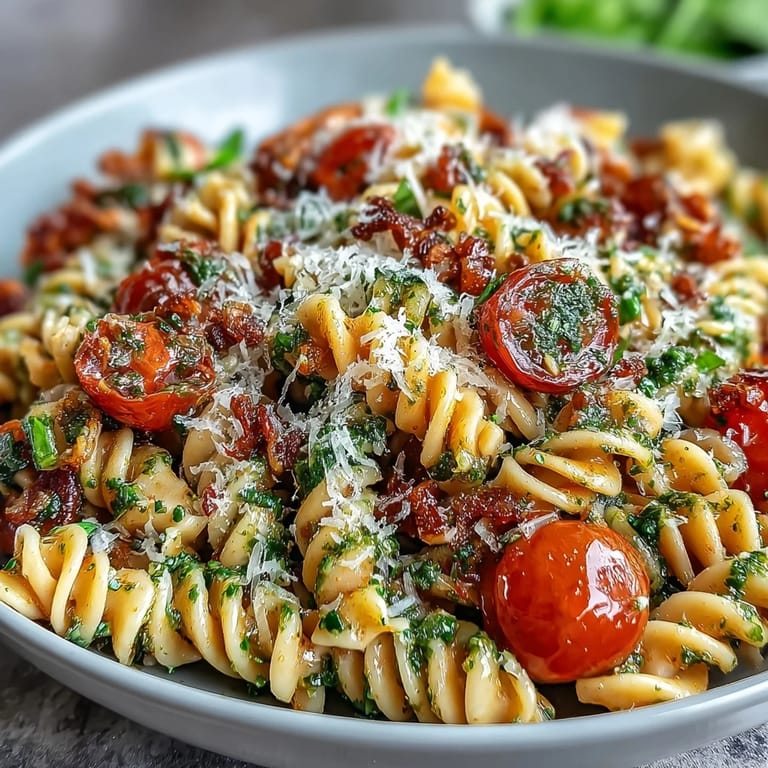
- Toss the cooled pasta with cherry tomatoes and arugula (if using), then add the pesto and turn everything together with a big spoon or your hands, making sure every piece gets coated. You want to see green on every angle.
- Final touches before serving:
- Transfer to a platter, shower it with parmesan shavings and lemon zest so people see how much care went into this moment. Serve right away if you like it warm-ish, or chill for up to two hours if you prefer it cold.
 Pin It
 There's a moment when you walk past the salad on the counter and just stop to smell it—that's when you know something worked. For me, it happened as guests were arriving, and suddenly I was confident instead of anxious, because I'd made something that spoke for itself.
Making Pesto Feel Less Intimidating
The first pesto I ever made seized into a clump because I poured all the oil in at once like I was filling a glass. Now I understand it's more like building an emulsion, the way mayo works—you go slow, you give the ingredients time to marry. If yours does turn into a paste, don't panic; just pulse in a tiny bit more olive oil and let the processor run for a few extra seconds. The beauty of homemade pesto is that it's forgiving once you understand it's about patience, not precision.
Why Cold Pasta Is Not the Enemy Here
The trick is that you're not making a warm salad and expecting it to stay that way—you're building layers of flavor that actually improve as things cool down together. If you're making this hours ahead for a picnic or lunch the next day, you'll notice the basil flavor becomes more pronounced and the whole thing tastes more cohesive. The pasta continues to absorb the pesto and tomato juices, which sounds like it would make it mushy but somehow makes it better.
Little Upgrades That Change Everything
This salad is perfect as it is, but there are moments when adding something extra takes it from weeknight dinner to something worth remembering. A handful of grilled chicken makes it substantial enough for dinner without making it feel heavy, roasted zucchini adds earthiness if you have time to char it, and black olives bring a briny punch if you're in the mood for something deeper. You can also add fresh mozzarella torn into pieces, or roasted red peppers for sweetness—the base is strong enough to carry almost anything you want to build onto it.
- If you find yourself without fresh basil, parsley and mint mixed together can create something different but equally delicious.
- Leftover pesto freezes beautifully in ice cube trays if you find yourself with extra, and you'll be grateful on random weeknight when you need something green and vibrant.
- This salad pairs beautifully with grilled bread and a crisp white wine, turning a simple lunch into something that feels like more than the sum of its parts.
 Pin It
 This pasta salad became my answer to the question of what to bring when I want to feel confident walking through someone's door. It's the kind of dish that reminds you that the best cooking happens when you're not overthinking it.
Recipe Questions & Answers
- → What type of pasta works best?
Short pasta like fusilli, penne, or farfalle hold the pesto well and provide ideal texture.
- → Can I prepare the pesto ahead?
Yes, homemade pesto can be made in advance and stored in the fridge to simplify assembly.
- → How do I keep the pasta from sticking?
Cook pasta al dente, then rinse in cold water and toss with a little olive oil to prevent sticking.
- → What are good toppings or additions?
Parmesan shavings, lemon zest, arugula, or grilled vegetables like zucchini complement the flavors nicely.
- → Is there a substitute for pine nuts in pesto?
Walnuts or toasted almonds can replace pine nuts if preferred or if allergies are a concern.