 Pin It
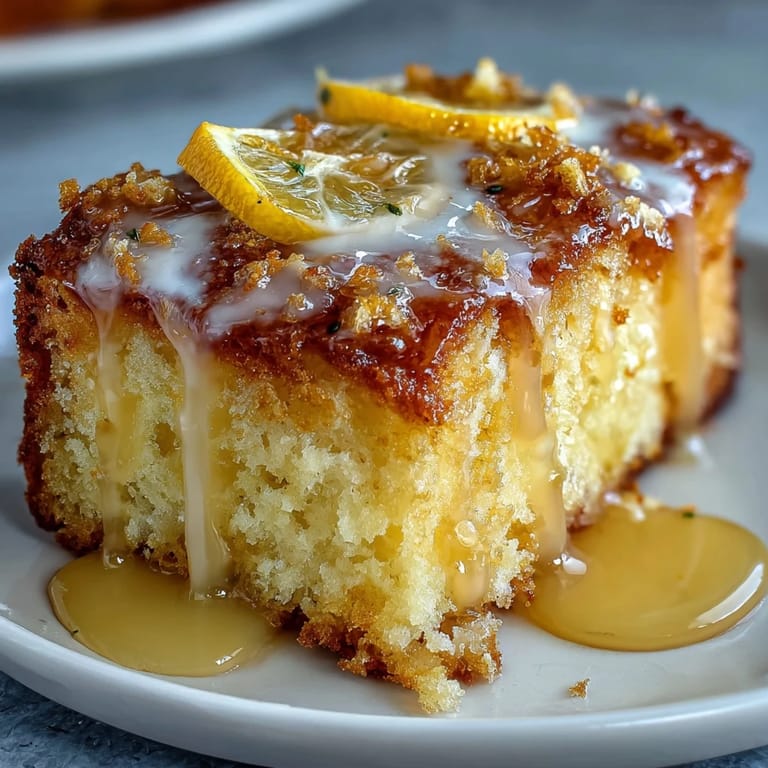
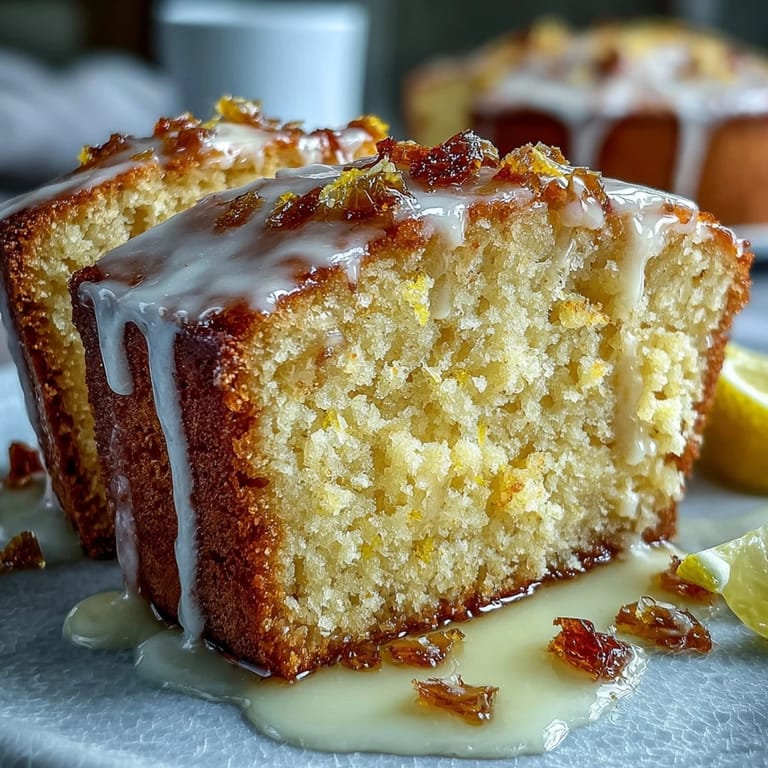
 There's something about the smell of lemon zest hitting a warm mixing bowl that instantly lifts my mood, no matter what kind of day I'm having. I discovered this cake during one of those chaotic spring mornings when I needed something cheerful to bake, and honestly, it's become my go-to whenever I want to feel like I've got my life together in the kitchen. The balance between the tender crumb and that sharp, glossy glaze is almost foolproof, which means even on days when I'm distracted or rushing, this loaf comes out looking like I planned it perfectly. What I love most is watching people's faces when they taste it—that moment when the tartness of the lemon hits and their shoulders just relax.
My neighbor knocked on the door about five minutes after I'd pulled this from the oven, drawn by the smell wafting through our connected gardens. She ended up staying for tea and we shared a slice while it was still warm, and I realized right then that baking isn't just about feeding yourself—it's about those unplanned moments of connection that happen when good things are cooling on your counter.
Ingredients
- Unsalted butter (200g), softened: Room temperature butter creams properly and traps air, which is what gives this cake its tender, almost cloud-like texture—cold butter won't do the job.
- Caster sugar (200g): The fine crystals dissolve faster than regular sugar and help create that light, fluffy base when you cream them with butter.
- Large eggs (3), room temperature: Cold eggs seize up the batter, but warm ones blend smoothly and add lift without deflating the mixture.
- Fresh lemon zest (1 tbsp from 2 lemons): Zest the lemon before you juice it, and use a microplane if you have one—the oils are where all the bright flavor lives.
- Self-raising flour (200g): This has the leavening already mixed in, which keeps the recipe simple and foolproof.
- Baking powder (1/2 tsp): A little extra lift to ensure the cake rises evenly and stays tender.
- Salt (1/4 tsp): Just enough to make the lemon flavor pop without tasting salty.
- Whole milk (3 tbsp): A small amount keeps the crumb moist and tender without making it dense.
- Freshly squeezed lemon juice (2 tbsp): Fresh juice is sharper and brighter than bottled—it's worth the extra squeeze.
- Icing sugar (80g): For the glaze, sift it if it's lumpy so the drizzle stays smooth and pourable.
- Fresh lemon juice (3 tbsp for the glaze): This is where the tart-sweet magic happens—adjust the consistency by adding more juice or icing sugar depending on how thin you want the drizzle.
Tired of Takeout? 🥡
Get 10 meals you can make faster than delivery arrives. Seriously.
One email. No spam. Unsubscribe anytime.
Instructions
- Get your oven ready and line the tin:
- Preheat to 180°C (350°F) while you set up your loaf tin—greasing and lining with parchment means your cake won't stick and you'll get clean, even edges. This takes two minutes but saves frustration later.
- Cream the butter and sugar until it's pale and fluffy:
- Beat them together for about 3-4 minutes until the mixture looks like soft, whipped clouds—this is where the air gets trapped that makes the cake light. You'll know it's ready when it's noticeably paler and almost doubled in volume.
- Add the eggs one at a time:
- Beat each egg in fully before adding the next, scraping down the bowl as you go so everything combines evenly. This prevents the mixture from looking curdled and ensures even moisture distribution.
- Stir in the lemon zest:
- A single stir to fold it through—the oils release and coat every bit of batter with brightness. You'll smell the difference immediately.
- Sift and fold in the dry ingredients:
- Sift the flour, baking powder, and salt together directly into the bowl, then fold gently with a spatula until just combined—don't overmix or the cake becomes tough. A few streaks of flour are fine; you're done mixing the moment you don't see dry flour.
- Mix in the milk and lemon juice:
- Fold these in gently until the batter is smooth and pourable—the acidity of the lemon juice reacts slightly with the baking soda in the flour, adding extra lift. This is the moment the batter transforms from thick to silky.
- Pour into the tin and bake:
- Smooth the top with a spatula and slide it into the oven, setting a timer for 45 minutes—a skewer inserted into the center should come out clean or with just a few moist crumbs. The house will start smelling absolutely incredible around the 30-minute mark.
- Make the lemon drizzle while baking:
- Whisk icing sugar and lemon juice together until it reaches a pourable consistency—it should fall slowly from a spoon, not gush. If it's too thick, add juice a half-teaspoon at a time; if too thin, add a bit more icing sugar.
- Cool slightly, then pierce and drizzle:
- Let the cake rest in the tin for 10 minutes, then use a skewer to poke holes all over the top—about 20 holes scattered across the surface. Pour the glaze slowly over the warm cake and watch it soak into those pockets, creating sweet, tangy little bursts.
- Cool completely before turning out:
- Leave it in the tin until completely cool so the crumb sets properly and the cake releases cleanly. This takes about an hour, but it's worth the wait.
 Pin It
 There was an afternoon when my daughter helped me bake this, and she was so focused on drizzling the glaze that she barely looked up until it was done. We sat there with a slice each, and she said, "This is the one," meaning it was officially her favorite thing I'd made in the kitchen. Those are the moments this cake has given me—not just a dessert, but a reason to slow down together.
Why Fresh Lemon Really Matters Here
Bottled lemon juice tastes bitter and flat in ways fresh juice never does, and in a cake this simple, there's nowhere to hide. When I tried cutting corners once with a bottle, the cake tasted good but lacked that bright, alive quality that makes people lean back and say, "Wow." Two minutes with a juicer changes everything—the juice stays closer to the skin oils that give you real lemon flavor, not just sourness. It's one of those small choices that separates a nice cake from one people actually remember.
The Secret to a Perfectly Moist Crumb
The magic happens when you drizzle that warm cake, because the hot crumb absorbs the glaze while it's still tender and open. If you wait until the cake cools completely, the glaze sits on top like a shell instead of becoming part of the cake. I learned this the hard way, and now I'm always ready with the drizzle the moment the cake comes out of the oven and cools just enough to handle safely. The patience of waiting those 10 minutes is actually the smallest kind of patience—it's just enough time to pull together your glaze and get everything ready.
Variations and Flourishes
This cake is a blank canvas in the best way, and I've experimented with it enough times now that I know what works. Poppy seeds add a gentle nuttiness and little flecks of visual interest, while a splash of limoncello in the glaze transforms it into something more grown-up and celebratory. Serving it with whipped cream and fresh berries feels natural because the tartness of the cake actually wants something soft and cooling alongside it.
- Poppy seeds (a small handful mixed into the batter) add texture and a subtle, almost nutty warmth without changing the essential character of the cake.
- A limoncello or elderflower cordial swap for half the lemon juice in the glaze creates a fancier version that feels special for brunch or afternoon tea.
- Pair slices with fresh raspberries or strawberries and a dollop of whipped cream or mascarpone for a more complete dessert moment.
 Pin It
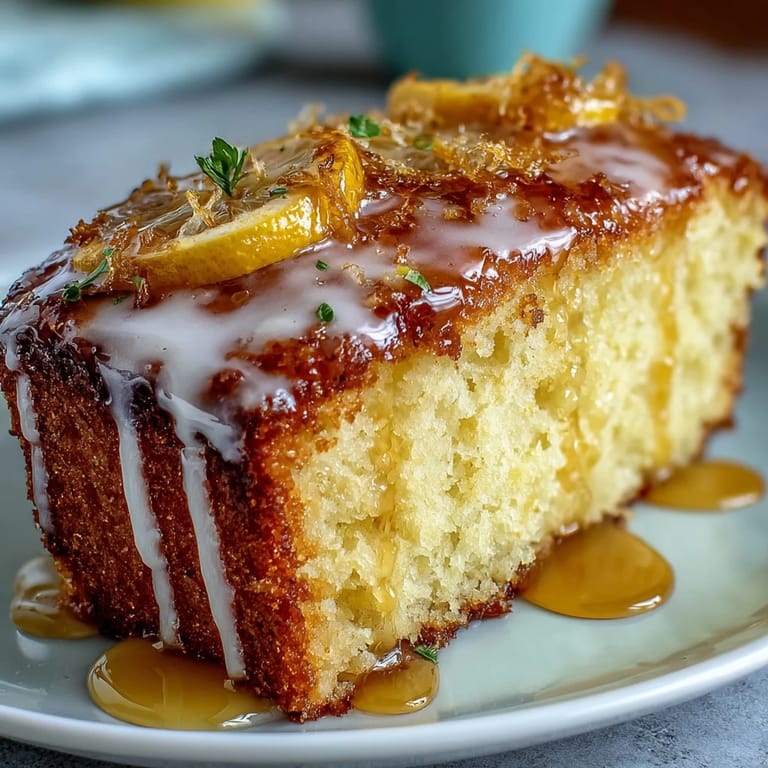
 This loaf cake has become my quiet favorite—the one I reach for when I want to feel capable and generous in the kitchen without exhausting myself. It's simple enough that you'll remember how to make it after the first time, but impressive enough that people always think you've done something special.
Recipe Questions & Answers
- → What makes the loaf moist and tender?
The combination of softened butter, fresh lemon juice, and milk creates a smooth batter that results in a moist, tender crumb.
- → How is the lemon glaze prepared and applied?
The glaze mixes icing sugar with fresh lemon juice to a pourable consistency, then is drizzled over warm loaf after poking surface holes for absorption.
- → Can I add texture to this loaf?
Yes, incorporating a handful of poppy seeds into the batter adds a pleasant crunch and subtle nuttiness.
- → Is this loaf suitable for vegetarians?
Yes, it contains no meat products and uses vegetarian-friendly ingredients including eggs and dairy.
- → What oven temperature is best for baking?
Bake the loaf at 180°C (350°F) for 45 to 50 minutes until a skewer inserted comes out clean.
- → Can this loaf be customized for adults?
Substitute half the lemon juice in the glaze with limoncello for a sophisticated adult twist.