 Pin It
 There's something about the smell of Limoncello that instantly transports me to a sun-drenched Italian kitchen, even when I'm baking in the middle of winter. A friend brought back a bottle from Sicily years ago, and I spent weeks looking for the perfect way to use it—until one rainy afternoon, I decided to infuse an entire pound cake with that bright, boozy citrus magic. The first slice was a revelation: tender crumb, that distinctive herbal-sweet kick, and a glaze so tangy it made my eyes water in the best way. Now whenever I make this, my kitchen smells like happiness, and everyone asks for the recipe before they've even finished their first bite.
I'll never forget when my mother-in-law tasted this cake at Easter brunch and immediately started negotiating with me about baking it for her book club. She's not one for compliments, so watching her go back for seconds while mentally planning how to recreate it at home felt like winning an award. That moment taught me that a really good cake isn't just dessert—it's a conversation starter, a memory maker, a tiny edible love letter.
Ingredients
- Unsalted butter (1 cup), softened: This is your foundation; cold butter won't cream properly, so let it sit out for 30 minutes or run it under warm water for a few seconds.
- Granulated sugar (2 cups): Creaming this with butter creates tiny air pockets that make the cake tender and prevent it from becoming dense.
- Large eggs (4), room temperature: Cold eggs don't incorporate smoothly and can break the emulsion; set them out before you start baking.
- Limoncello liqueur (1/4 cup): This is where the magic happens—the alcohol cooks off but leaves behind that herbaceous, citrus complexity that makes people ask what your secret ingredient is.
- Whole milk (1/4 cup), room temperature: It adds moisture and tenderness; skip the buttermilk substitution here or the cake becomes gritty.
- Freshly grated lemon zest (2 tablespoons): Use a microplane if you have one—it catches the aromatic oils that a box grater misses, and those oils are what makes your cake smell incredible.
- Fresh lemon juice (1/4 cup): Bottled lemon juice tastes like sadness; spend the two minutes squeezing fresh lemons and your cake will thank you.
- All-purpose flour (2 1/2 cups): Measure by scooping and leveling, not by sifting directly into the cup, otherwise you'll pack in too much flour and end up with a dry brick.
- Baking powder (1 1/2 teaspoons): Check the date on your container; stale baking powder is the silent killer of light cakes.
- Salt (1/2 teaspoon): It sounds small, but salt amplifies the lemon flavor and prevents the cake from tasting flat.
- Powdered sugar (1 cup), sifted: Lumpy powdered sugar creates a bumpy glaze; sift it even if it feels like extra work.
- Fresh lemon juice for glaze (2–3 tablespoons): Start with 2 tablespoons and add more until you get a glaze that drips lazily from a spoon.
- Limoncello for glaze (1 tablespoon): A small amount here reinforces that signature flavor without making the glaze too thin.
- Extra lemon zest for topping (optional): It's not optional in my kitchen; that final pop of color and flavor makes people take photos before eating.
Tired of Takeout? 🥡
Get 10 meals you can make faster than delivery arrives. Seriously.
One email. No spam. Unsubscribe anytime.
Instructions
- Get your mise en place ready:
- Pull everything out of the fridge at least 30 minutes before you start; cold ingredients don't play nicely together in a pound cake. Preheat your oven to 350°F and grease your pan with butter, then dust it with flour so the cake releases cleanly.
- Cream the butter and sugar into submission:
- Beat them together for 3–4 minutes until the mixture is pale, fluffy, and looks like wet sand; this is where all your leavening power comes from, so don't rush it. You'll hear the mixer sounds change from heavy to light and airy when you're done right.
- Add the eggs one at a time:
- Crack each egg, add it, mix until it disappears into the batter, then repeat; rushing this step and adding all the eggs at once can cause the batter to break. Each egg should be fully incorporated before the next one joins the party.
- Fold in the lemon magic:
- Add the zest, Limoncello, lemon juice, and milk, stirring until everything is evenly distributed and that gorgeous yellow color is throughout. The batter will smell so good at this point you'll understand why people steal tastes off the spoon.
- Combine wet and dry like you're folding a love letter:
- Whisk your flour, baking powder, and salt together in a separate bowl, then add them to the wet ingredients in two additions, mixing just until the dry streaks disappear. Overmixing here is the enemy; gluten development turns tender cake into chewy bread.
- Into the oven it goes:
- Pour the batter into your prepared pan and smooth the top with a spatula, then bake for 50–55 minutes until a toothpick inserted into the center comes out clean or with just a few moist crumbs. The top will be golden, and your kitchen will smell like an Italian dream.
- Cool with patience:
- Let the cake rest in the pan for 15 minutes—this prevents it from falling apart—then turn it out onto a wire rack to cool completely before glazing. I usually let mine cool for at least an hour so the glaze doesn't melt off.
- Make the glaze and dress it up:
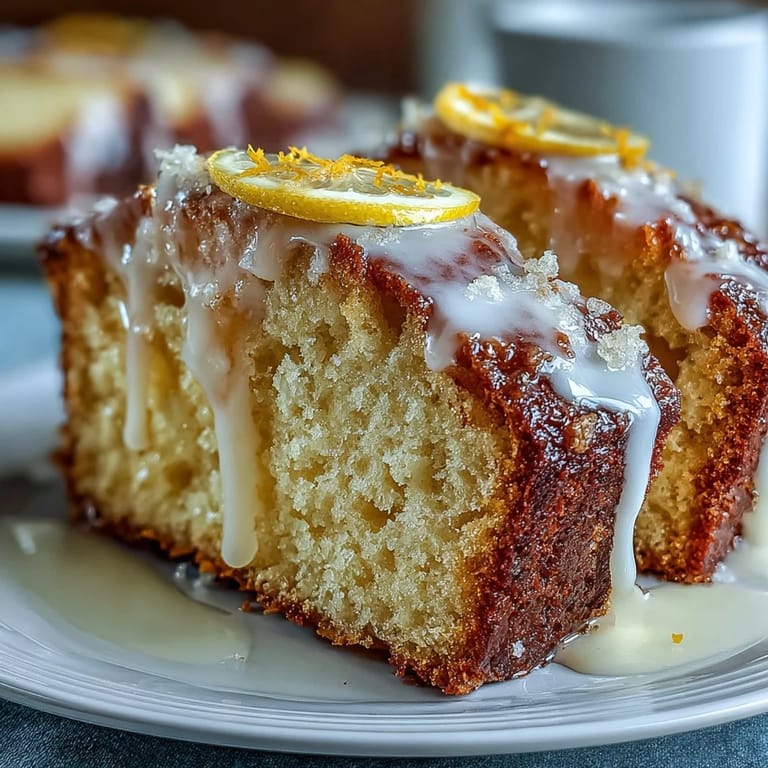
- Whisk together your sifted powdered sugar, 2–3 tablespoons fresh lemon juice, and 1 tablespoon Limoncello until you get a pourable consistency that drips but doesn't run off immediately. Taste it and adjust the lemon juice or sugar to your preference; it should be bright and tart enough to cut through the richness of the cake.
- The final flourish:
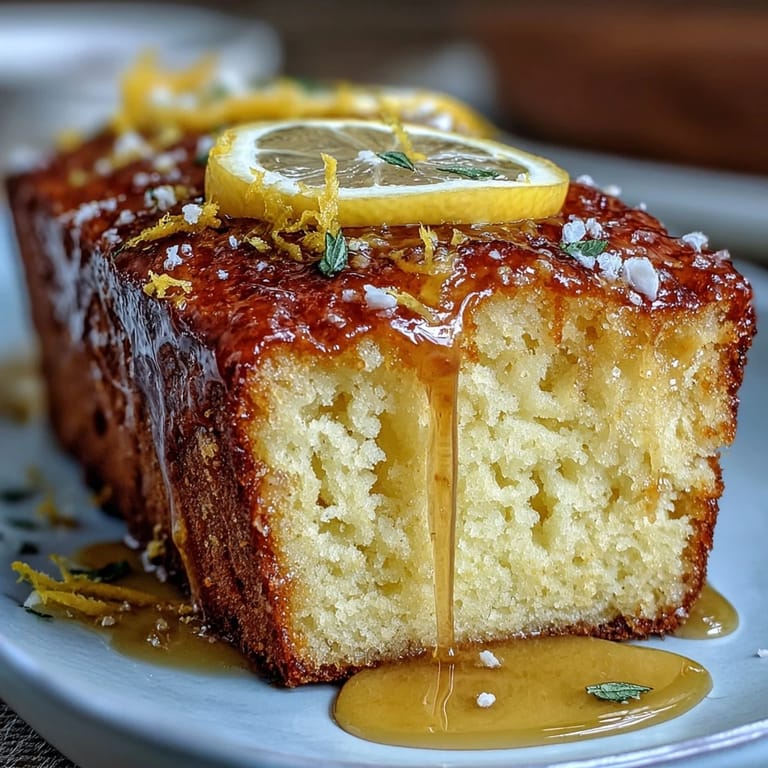
- Drizzle the glaze over the cooled cake and sprinkle with extra lemon zest while the glaze is still wet so it sticks. Let the glaze set for at least 15 minutes before slicing, though waiting longer never hurt anyone.
 Pin It
 My neighbor knocked on my door one afternoon while this cake was cooling, drawn by the smell, and we ended up sitting on my kitchen steps eating warm slices and talking for two hours about nothing in particular. That's when I realized this cake does something special—it doesn't just taste good, it creates moments where people pause and feel a little lighter. It's been my go-to gift ever since, wrapped in parchment paper and tied with kitchen twine, a small way of saying 'I was thinking of you' without saying a word.
Why Fresh Citrus Matters Here
Pound cakes are forgiving in many ways, but they're ruthless about artificial flavoring. Bottled lemon juice tastes thin and bitter compared to the real thing, and that difference becomes glaringly obvious when lemon is your main flavor story. Fresh zest contains all the aromatic oils that make your kitchen smell incredible, and those oils are what separate a good lemon cake from one that makes people close their eyes and sigh. I learned this the hard way by trying to save time, and the resulting cake tasted vaguely like sadness with a hint of chemical aftertaste.
The Secret of Limoncello in Baking
Limoncello is tricky because it's herbal and complex in a way that plain lemon extract isn't—it has subtle anise notes and a boozy depth that adds sophistication. The alcohol burns off during baking, but those flavor compounds remain, creating something your taste buds can't quite identify but absolutely love. I've had people ask if I'm using a special extract, and the answer is always that it's just really good lemon liqueur doing what it was always meant to do. The 1/4 cup in the batter and the 1 tablespoon in the glaze work together to create that signature flavor that keeps people asking for your recipe.
Variations and When to Use Them
This cake is flexible enough to adapt to what you have on hand or what you're craving that day. For a lighter, more delicate crumb, substitute half the all-purpose flour with cake flour—it contains less protein and won't toughen up as easily. If you don't have Limoncello or prefer to skip the alcohol entirely, replace it with an equal amount of fresh lemon juice plus a teaspoon of honey or agave to preserve some of that complexity. Want to make it dairy-free? Use oat milk or almond milk instead of whole milk, though the cake will be slightly less tender. Serve it with a dollop of whipped cream and fresh berries for a summer dinner party, or wrap it in plastic wrap and give it as a gift—it travels beautifully and tastes even better the next day.
- For a denser, more traditional pound cake texture, reduce the milk by 2 tablespoons and skip the baking powder, relying entirely on eggs for lift.
- Store leftovers wrapped tightly at room temperature for up to three days, or freeze for up to two months; it reheats perfectly in a 300°F oven for 10 minutes.
- If your cake dome cracks on top (which sometimes happens), don't panic—that's where the glaze goes, and it covers any imperfections perfectly.
 Pin It
 This cake has become my answer to almost every celebration—birthdays, housewarmings, apologies, and 'I miss you' moments. There's something about sharing a slice of something you've made with your own hands that feels more honest than any store-bought dessert ever could.
Recipe Questions & Answers
- → What is the role of Limoncello in this cake?
Limoncello infuses the batter with a sweet, citrusy aroma that enhances the lemon flavors without overpowering the cake’s moist texture.
- → Can I use regular lemon juice instead of fresh?
Fresh lemon juice is preferred for its bright acidity and freshness, but quality bottled lemon juice can be used if needed, though flavor may be less vibrant.
- → How do I achieve a moist texture in this pound cake?
Careful creaming of butter and sugar, use of eggs at room temperature, and proper baking time ensure a soft, moist crumb without dryness.
- → What pan works best for baking this cake?
A 9x5-inch loaf pan or bundt pan is ideal, providing even heat distribution and shape suited for the batter volume and baking time.
- → How should the lemon glaze be applied?
Once the cake is fully cooled, drizzle the glaze evenly over the top, allowing it to set before slicing to avoid mess and maintain shine.
- → Is there an alcohol-free alternative for Limoncello?
You can substitute Limoncello with extra fresh lemon juice to maintain citrus notes without alcohol, although the complex flavor will be milder.